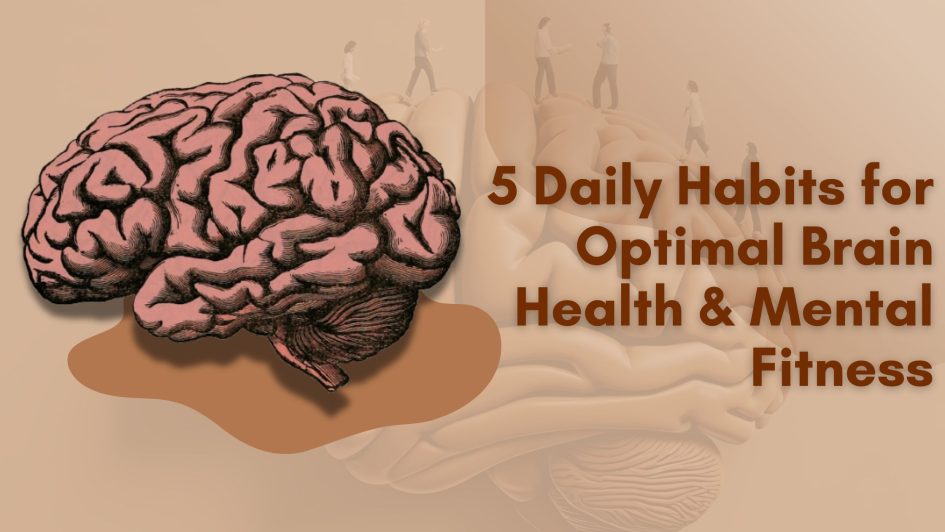
In Celebration of World Brain Day – July 22
🌍 Why Celebrate World Brain Day?
Every year on July 22, the World Federation of Neurology (WFN) spearheads World Brain Day, a global initiative dedicated to raising awareness about brain health and the challenges posed by neurological conditions. This year’s theme continues to highlight the critical importance of nurturing our brains, not just to defend against the disease, but to cultivate fulfilling, balanced lives crammed with cognitive vitality and a healthy mind.
Your brain acts as the command center of your entire being. It orchestrates every movement, processes every sensation, shapes every thought, stores every memory, drives every learning experience, and guides every decision you make. Yet, amidst the persistent pace of modern life, comprehensive brain care often gets relegated to the back burner. This World Brain Day, let’s take a moment to pause and internalize a profound truth: a fit brain is just as indispensable as a fit body.
So, how do we systematically build and maintain a healthy brain that serves us perfectly throughout our lives? How can we enhance mental clarity and ensure that our mental health is prioritised?
Let’s explore five powerful, thoroughly researched daily habits that have been verified to support long-term brain health and significantly improve mental fitness.
These are truly 10 ways to improve memory and overall cognitive function.
🏃♂️ 1. Move Your Body to Move Your Mind: The Profound Impact of Exercise
It’s truly no exaggeration to state that exercise is an effective form of brain medicine. Physical activity doesn’t just confer benefits on your cardiovascular system and musculature; its effects on your cognitive function, emotional equilibrium, and memory are profound. The complex connection between physical movement and brain health is a rapidly expanding area of neuroscience, revealing a symbiotic relationship that supports complete well-being.
✅ How Exercise Helps the Brain:
- Increases Blood Flow and Oxygen to the Brain: Regular physical activity improves the cerebral blood flow, ensuring that your brain receives a consistent and sufficient supply of oxygen and essential nutrients. This enhanced circulation is vital for optimal neuronal function and waste removal, contributing to brain health.
- Stimulates the Release of BDNF (Brain-Derived Neurotrophic Factor): Regularly dubbed “Miracle-Gro for the brain,” BDNF is a protein that plays a vital role in the growth, maintenance, and survival of neurons. Higher levels of BDNF are strongly associated with improved learning, enhanced memory formation, and the brain’s ability to adapt and change.
- Reduces Inflammation and Stress Hormones: Chronic inflammation and high levels of stress hormones like cortisol can be harmful to brain health, possibly damaging neurons and impairing cognitive function. Exercise acts as a natural anti-inflammatory and helps regulate stress responses, promoting a more stable brain environment.
- Encourages the Growth of New Brain Cells (Neurogenesis): Predominantly in the hippocampus, a brain region critical for memory and learning, exercise has been shown to stimulate neurogenesis, the creation of new brain cells. This process can help counteract age-related cognitive decline and improve overall brain resilience.
- Enhances Neurotransmitter Production: Physical activity stimulates the production and balance of neurotransmitters such as serotonin, dopamine, and norepinephrine, which are essential for mood regulation, motivation, focus, and overall cognitive performance.
🏋️♀️ Try This Daily: Incorporating Movement into Your Routine
- Moderate Aerobic Activity: Aim for 30–45 minutes of brisk walking, jogging, cycling, swimming, or any other activity that elevates your heart rate. Consistency is key. Breaking it into shorter 10–15-minute bursts through the day is also effective, if time is a constraint.
- Mind-Body Practices: Dedicate 15–20 minutes to practices like yoga or Tai Chi. These mind-body routines are exceptional because they combine physical movement with mental calm, enhancing balance, flexibility, and mindfulness, all of which contribute to improved cognitive control and a healthy mind.
- Coordination-Based Movements: To significantly boost brain engagement, join in activities that involve coordination and complex motor skills, such as dancing, learning a new sport, or even juggling. These activities challenge different brain regions and encourage neural plasticity, serving as practical brain exercises.
🧠 Tip: Compelling research consistently demonstrates that individuals who engage in regular physical exercise show a significantly lower risk for cognitive decline and debilitating conditions like Alzheimer’s disease and other forms of dementia. Make exercise a non-negotiable part of your daily life for optimal brain health.
🥑 2. Eat to Feed Your Brain: Fueling Your Cognitive Powerhouse
Your brain is an incredibly energy-intensive organ, consuming approximately 20% of the body’s total energy, despite comprising only about 2% of your body weight. This incredible energy demand means that what you ingest directly and profoundly impacts brain function, influencing everything from your ability to concentrate to your emotional stability and long-term memory. Just as a high-performance engine requires premium fuel, your brain grows on nutrient-dense foods, making food choices a key component of brain health.
✅ Nutrients That Support Brain Health:
These are often considered the best brain food components:
- Omega-3 Fatty Acids (EPA & DHA): These are the foundational building blocks of brain cell membranes, crucial for cell communication and maintaining neuronal integrity. They are exceptionally vital for cognitive function, memory, and mood regulation.
- Sources: Fatty fish like salmon, mackerel, and sardines; chia seeds, flaxseeds, walnuts, and fortified eggs.
- Antioxidants (e.g., Anthocyanins, Curcumin, Vitamin E): These potent compounds fight oxidative stress and inflammation, two major culprits in age-related cognitive decline and neurodegenerative diseases. They defend brain cells from damage caused by free radicals.
- Sources: Blueberries, pomegranates, dark chocolate, turmeric, green tea, spinach, kale, nuts, and seeds.
- B Vitamins (B12, Folate, B6): Important for nerve function, neurotransmitter synthesis, and defending brain cells. They play a critical role in cognitive function, memory, and mood regulation, and deficiencies can lead to neurological issues. These are vital vitamins for brain health.
- Sources: Leafy greens, eggs, legumes, whole grains, nuts, seeds, and lean meats.
- Polyphenols (e.g., Flavonoids, Resveratrol): These plant compounds have neuroprotective properties, enhancing blood flow to the brain, improving memory, and possibly preventing cognitive decline.
- Sources: Dark chocolate, green tea, berries, red wine (in moderation), and colourful fruits and vegetables.
- Choline: A precursor to acetylcholine, a neurotransmitter critical for memory and learning.
- Sources: Egg yolks, beef liver, chicken, soybeans, and cruciferous vegetables like broccoli.
Many of these nutrients are also commonly found in brain and memory supplements, which are often promoted as the best vitamins for memory in adults. However, it’s generally better to get them from Whole Foods whenever possible.
🍽️ Add These to Your Plate: A Brain-Boosting Dietary Blueprint
- Leafy Greens: Integrate spinach, kale, collard greens, and Swiss chard daily. They are rich in vitamins K, Lutein, Folate, and beta-carotene, all of which are linked to reducing cognitive decline and supporting a healthy mind.
- Nuts & Seeds: Snack on walnuts (rich in omega-3s), almonds, cashews, flaxseeds, and chia seeds. They offer healthy fats, protein, and vitamin E, making them a brilliant source of brain food.
- Avocados, Eggs, and Olive Oil: Excellent sources of healthy monounsaturated fats, which encourage healthy blood flow, and vitamin E. Eggs are also a good source of choline, essential for memory.
- Whole Grains and Legumes: Go for oats, quinoa, brown rice, lentils, and beans. They offer complex carbohydrates for sustained energy release, along with B vitamins and fibre.
- Berries: Especially blueberries, but also strawberries, raspberries, and blackberries, are packed with antioxidants, benefiting brain health.
- Fatty Fish: Aim for at least two servings per week of salmon, tuna, or mackerel for their high omega-3 content.
Avoid excessive sugar, trans fats, and highly processed foods as these can trigger inflammation, impair memory, and slow mental processing, acting as “brain drainers.” While mental clarity supplements might promise quick fixes, a balanced diet remains paramount.
🧠 Remember: A powerful adage holds true: What’s good for your heart is undeniably good for your brain! A heart-healthy diet directly translates to a brain-healthy diet.
🧠 3. Train Your Brain with Mental Workouts: The Power of Cognitive Stimulation
Your brain, much like a muscle, thrives on consistent stimulation. Just as lifting weights progressively builds muscle strength and mass, engaging your mind daily with challenges builds remarkable cognitive resilience. Regularly subjecting your brain to novel and complex tasks strengthens memory pathways, significantly improves focus and attention span, and, most importantly, encourages the formation of entirely new neural pathways through a process known as neuroplasticity. These are essential brain exercises that contribute to a healthy mind.
✅ Brain Exercises That Work: Diverse Avenues for Cognitive Growth
These are proven memory exercises and general brain exercises:
- Solve Puzzles: Engage with crosswords, Sudoku, Rubik’s Cube, jigsaw puzzles, or logic puzzles. These activities demand logical reasoning, pattern recognition, and problem-solving skills, stimulating various brain regions and improving mental clarity.
- Play Strategy Games: Dive into games like chess, checkers, Go, or even complex board games. Memory games, logic apps, and brain-training apps also offer structured mental workouts. These games foster critical thinking, planning, and predictive abilities, proving to be excellent brain exercises.
- Learn Something New: This is perhaps one of the most effective ways to boost neuroplasticity. Dedicate time to learning a new language, mastering a musical instrument, picking up a new craft (e.g., knitting, coding), or acquiring a completely new skill. The process of acquiring new knowledge forces your brain to create new connections and adapt, significantly improving memory.
- Read Daily: Cultivate a habit of reading regularly. Don’t limit yourself to fiction; actively seek out non-fiction books, academic articles, or topics entirely outside your comfort zone. This exposes your brain to new concepts, expands vocabulary, and improves comprehension and analytical skills, functioning as a daily brain workout.
- Engage in Creative Pursuits: Activities like painting, writing poetry or stories, composing music, or even designing a garden project can stimulate different parts of your brain, encouraging innovative thinking and problem-solving, enhancing brain health.
🎯 Make It a Habit: Integrating Mental Challenges
- Dedicated “Brain Time”: Commit to 15 minutes daily specifically for a mentally challenging task. This dedicated time signals to your brain that cognitive stimulation is a priority.
- Rotate Your Challenges: To ensure comprehensive brain stimulation, rotate between different types of mental workouts. One day might be language learning, the next a Sudoku puzzle, and the following day reading a complex article. This keeps your brain adaptable and prevents plateaus.
- Try Dual-Tasking Exercises: When safe and appropriate, engage in activities that combine mental and physical components. For example, memorising song lyrics while walking, or learning dance steps that require both physical coordination and memory recall. This type of multitasking, when practised intentionally, can enhance cognitive flexibility and brain health.
🧠 Fun Fact: This incredible adaptability and the brain’s ability to constantly reorganise itself by forming new neural connections in response to new information and experiences is scientifically termed neuroplasticity. It means your brain isn’t a static entity; it’s constantly evolving and improving based on your engagement, supporting a healthy mind.
😴 4. Sleep: Your Brain’s Overnight Repair Mode and Rejuvenation Cycle
Sleep is not merely a period of inactivity; it is arguably the most crucial time for your brain’s health and maintenance. It’s when your brain embarks on an intensive, literal “cleanup” process. During deep sleep stages, particularly slow-wave sleep, your brain efficiently clears out metabolic waste products and toxins that accumulate during waking hours. It also processes emotions, consolidates memories from the day, and prepares for new learning. Conversely, chronic sleep deprivation can have devastating effects, including measurable shrinkage of brain volume, impaired decision-making capabilities, reduced emotional regulation, and a significant dampening of cognitive performance, negatively impacting overall brain health.
✅ Sleep for Optimal Brain Health: Non-Negotiable Practices
- Aim for 7 to 9 Hours of Quality Sleep: While individual needs vary, the majority of adults require this range of consistent, uninterrupted sleep for optimal brain health and function. Prioritise sleep as a foundational pillar of your healthy mind.
- Establish a Consistent Sleep-Wake Routine: Go to bed and wake up at roughly the same time every day, even on weekends. This regular schedule helps regulate your body’s natural circadian rhythm, improving sleep quality and making it easier to fall asleep and wake up.
- Avoid Screens and Caffeine 1–2 Hours Before Bed: The blue light emitted from screens (phones, tablets, computers, TVs) can suppress melatonin production, a hormone essential for sleep. Caffeine, a stimulant, has a long half-life and can interfere with sleep onset and quality for many hours after consumption.
- Optimize Your Sleep Environment: Make your bedroom a sleep sanctuary. Ensure it is calm, dark, and quiet. Blackout curtains, earplugs, and a comfortable mattress can make a significant difference.
😌 Why Quality Sleep Matters Immensely for Your Brain:
- Cognitive Function: Poor sleep profoundly affects concentration, problem-solving abilities, creativity, and reaction time. It makes it harder to learn new information and retrieve existing memories.
- Mood Regulation: Insufficient sleep is strongly linked to increased irritability, anxiety, and depression. During sleep, the brain processes emotional experiences, helping to regulate mood and support mental health.
- Memory Consolidation: Deep sleep plays a critical role in consolidating short-term memories into long-term storage, making learning stick. Without adequate sleep, new information is less likely to be retained. This is key to improve memory.
- Glymphatic System Activation: Deep sleep is when the brain’s unique glymphatic system is most active. This “waste removal system” flushes out neurotoxins, including beta-amyloid proteins implicated in Alzheimer’s disease. This cleanup process is vital for long-term brain health and disease prevention.
🧠 Pro Tip: Prioritize winding down in the evening. Develop a relaxing pre-sleep routine, such as reading a physical book, taking a warm bath, or listening to calming music. Your evening routine directly influences how deeply and effectively your brain can rest, repair, and rejuvenate, contributing to mental clarity.
🧘♀️ 5. Manage Stress & Practice Mindfulness: Protecting Your Brain from Modern Pressures
Stress is an inherent part of life, but chronic, unmanaged stress is a significant and insidious hazard to your brain health.
Prolonged exposure to stress elevates levels of the hormone cortisol, which can damage critical brain regions, particularly the hippocampus (responsible for memory and learning), and accelerate overall cognitive decline.
In today’s fast-paced world, learning to manage stress effectively is not just about feeling better; it’s about actively protecting your brain health and fostering a healthy mind.
Also, during festive and celebratory periods like Christmas, when routines change and stress can increase, focusing on healthy holiday eating and lifestyle habits can support both body and brain function.
Mindfulness and various stress-reduction techniques have been scientifically demonstrated to not only protect the brain from stress-induced damage but also to improve focus, enhance emotional regulation, and even lead to structural changes in the brain that promote well-being and mental clarity.
✅ Daily Mindfulness Habits: Simple Yet Powerful Practices
- Guided Meditation or Deep Breathing: Dedicate 10–15 minutes daily to guided meditation sessions (many apps are available) or focused deep breathing exercises. These practices activate the parasympathetic nervous system, promoting relaxation and reducing the “fight or flight” response, benefiting mental health.
- Mindful Walking: Transform your daily walk into a mindful experience. Instead of being lost in thought, focus your attention on your breath, the sensation of your feet on the ground, the sounds around you, and the sights you encounter. This anchors you in the present moment.
- Gratitude Journaling: Before bed or in the morning, spend a few minutes writing down three things you are genuinely grateful for. This simple practice shifts your focus from negative thought patterns to positive ones, improving mood and resilience.
- Disconnect from Digital Noise: Integrate short periods (even 5-10 minutes) of complete disconnection from screens and digital devices. Use this time to simply be present, whether it’s gazing out a window, listening to nature, or enjoying a cup of tea in silence.
- Progressive Muscle Relaxation: Tense and then relax different muscle groups throughout your body. This can help release physical tension accumulated from stress, promoting a healthy mind.
🧘 Regular practice of mindfulness and stress reduction techniques has been shown to:
- Build the Prefrontal Cortex: This area of the brain is responsible for executive functions like decision-making, planning, problem-solving, and self-control. Regular mindfulness can increase grey matter density in this region, improving mental clarity.
- Reduce Activity in the Amygdala: The amygdala is the brain’s “fear centre.” By reducing its over-activity, mindfulness helps to dampen fear responses, reduce anxiety, and promote emotional calm, supporting mind mental health.
- Improve Neural Connectivity: Mindfulness can strengthen the connections between the prefrontal cortex and the amygdala, allowing for better emotional regulation and a more measured response to stressors, crucial for brain health.
🎯 Final Words: Your Brain Is for Life — Take Care of It Daily
On this World Brain Day, and every day thereafter, it’s crucial to remember that brain health is not a luxury; it is an absolute necessity. It is fundamental for your productivity, your sense of happiness and fulfillment, your longevity, and your ability to maintain independence throughout your lifespan.
Whether you’re 25 or 65, it’s unequivocally never too early (or too late) to start making a proactive investment in your brain’s future. The brain is remarkably adaptable, and positive changes can be made at any age.
By diligently making these five powerful daily habits an integral part of your lifestyle, you will not only significantly boost your current mental fitness and cognitive abilities but also robustly protect your mind for the long haul, ensuring a vibrant and healthy brain for decades to come.
✅ Your Brain Health Action Plan (Starting July 22)
✔️ Move your body for 30 mins:
Go for a brisk walk, jog, or dance! These are great brain exercises.
✔️ Eat at least one brain-boosting food:
Add a handful of blueberries to your breakfast or some walnuts to your snack. Focus on the best brain food.
✔️ Do a short mental workout:
Solve a Sudoku puzzle, learn 5 new words in a foreign language, or read a chapter from a challenging book. Try memory exercises.
✔️ Prioritize 7–8 hours of sleep:
Set a consistent bedtime and create a relaxing pre-sleep routine for brain health.
✔️ Pause, breathe, and be mindful:
Take 5 deep breaths, practice gratitude, or simply observe your surroundings for a few moments to cultivate a healthy mind and mental clarity.
💬 What’s ONE habit you’ll start today for your brain? Let us know in the comments or tag us on social @Quest2Fitness. Let’s celebrate World Brain Day together by building healthier minds, one powerful habit at a time!
Leave a Reply